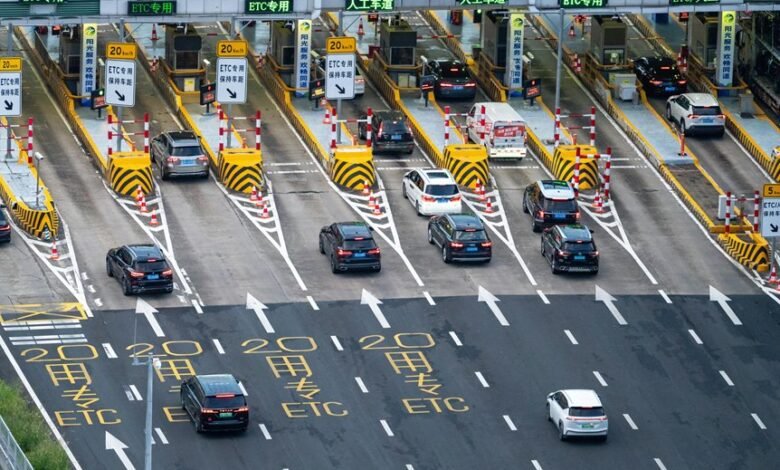
The Vertex Lane 915123123 Dynamic Flow represents a significant advancement in traffic management technology. Its real-time monitoring and adaptive signal capabilities respond effectively to fluctuating traffic conditions. This system aims to alleviate congestion and enhance urban mobility. Understanding its key features and benefits reveals important implications for urban planning and commuter experiences. What remains to be explored are the broader impacts this technology could have on the future of transportation networks.
Key Features of Vertex Lane 915123123 Dynamic Flow
The Vertex Lane 915123123 Dynamic Flow system stands out due to its innovative design and advanced technology.
Key features include real-time monitoring capabilities, enabling immediate adjustments to traffic conditions. The adaptive signals intelligently respond to fluctuating traffic patterns, enhancing overall flow efficiency.
This dynamic approach not only promotes smoother commutes but also supports the freedom of movement desired by urban travelers.
Benefits for Urban Planners
Enhanced efficiency is a vital consideration for urban planners seeking to optimize transportation networks.
By leveraging Vertex Lane 915123123 Dynamic Flow, planners can implement sustainability strategies that reduce congestion and promote eco-friendly travel.
The technology integration enhances data-driven decision-making, facilitating adaptive solutions that cater to evolving urban landscapes.
This approach empowers planners to create more resilient, efficient, and sustainable cities for residents.
Impact on Commuters
Improvements in urban transportation systems directly influence the daily experiences of commuters. Enhanced traffic flow reduces traffic congestion, allowing individuals to navigate cities more efficiently.
As travel times decrease, commuters enjoy greater freedom, fostering a sense of autonomy in their journeys. These changes not only streamline the commuter experience but also contribute to overall satisfaction, making daily commutes less stressful and more manageable.
Future of Traffic Management Solutions
How can cities effectively manage increasing traffic demands in the future?
Embracing smart infrastructure and real-time analytics will be crucial. These technologies enable cities to optimize traffic flow, reduce congestion, and enhance commuter experiences.
Conclusion
In conclusion, the Vertex Lane 915123123 Dynamic Flow represents a significant leap forward in traffic management technology. By embracing real-time data and adaptive systems, it not only addresses current urban mobility challenges but also lays the groundwork for future advancements. As cities continue to grow, this innovative solution is poised to be the key to a smoother commuting experience and more efficient urban planning. Ultimately, it demonstrates that investing in smart infrastructure can pave the way for a brighter tomorrow.